
A Guide to Dementia-Friendly Restaurants and Public Spaces: Essential Tips for Accessible and Supportive Environments
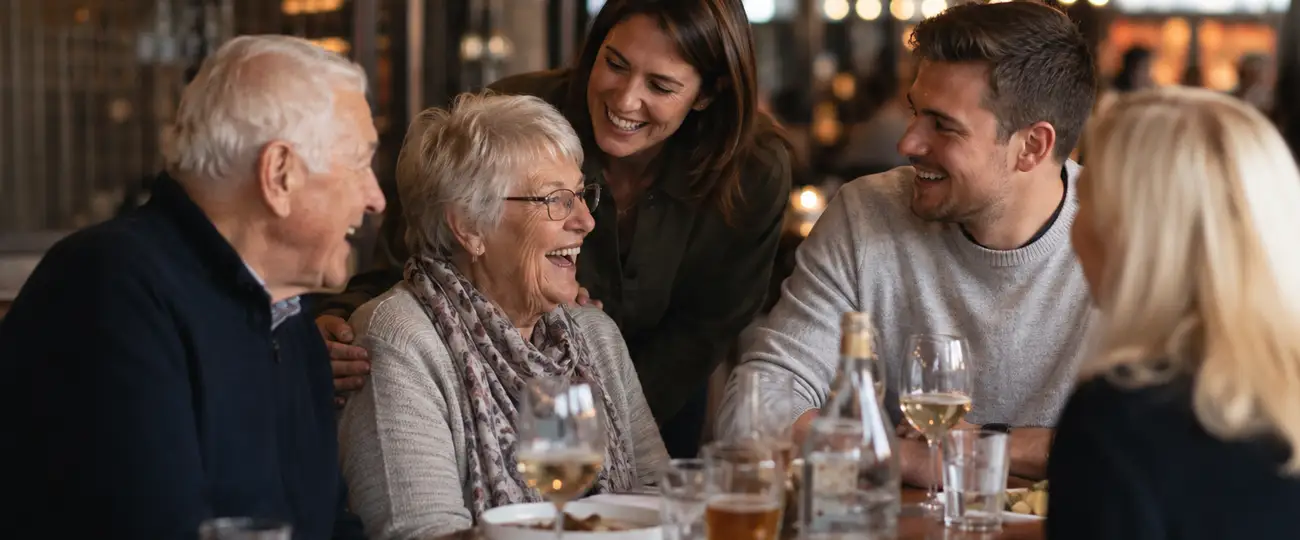
Creating environments that are friendly to individuals with dementia is crucial for enhancing their quality of life. Dementia-friendly restaurants and public spaces are designed to accommodate the unique needs of those affected by cognitive decline, ensuring they feel safe, comfortable, and engaged. This guide will explore essential features that define these spaces, the importance of sensory-friendly adaptations, and practical tips for caregivers. By understanding how to create supportive environments, we can help individuals with dementia navigate their surroundings more easily and enjoy their experiences.
The growing need for supportive environments underscores the importance of comprehensive dementia-friendly design strategies that address a wide range of cognitive, sensory, and physical requirements.
What Features Define Dementia-Friendly Restaurants?
Dementia-friendly restaurants incorporate specific features that cater to the needs of individuals with cognitive impairments. These characteristics aim to minimize distractions, simplify choices, and enhance the overall dining experience. Key features include:
- Minimized Distractions: Reducing background noise and visual clutter helps individuals focus on their dining experience.
- Simplified Choices: Offering a limited menu with clear options can alleviate decision-making stress.
- Visual Aids: Using pictures and large print on menus can assist in communication and understanding.
These elements work together to create a welcoming atmosphere that supports individuals with dementia in enjoying their meals.
How Do Lighting and Noise Levels Support Dementia Patients?
Lighting and noise levels play a significant role in the comfort levels for people living with dementia. Properly designed environments can enhance their dining experience and overall well-being.
- High Noise Levels Can Overwhelm: Loud environments can lead to confusion and anxiety, making it difficult for people to enjoy their meals.
- Calm Environments Enhance Comfort: Soft lighting and quiet spaces create a soothing atmosphere that promotes relaxation.
- Proper Lighting Aids Communication: Well-lit areas help individuals see their food and communicate effectively with staff and companions.
What Menu Design and Service Practices Enhance Dining Experiences?
Effective menu design and attentive service practices are essential for enhancing the dining experience of individuals with dementia. Key practices include:
- Clear Menu Options: Menus should be easy to read, with simple language and visual aids to assist in understanding.
- Support from Staff and Other Diners: Ask staff discreetly for patience and empathy, allowing the person ample time to make choices.
- Familiar Food Items: Offering familiar dishes can evoke positive memories and make it easier to enjoy a meal.
These practices not only improve the dining experience but also foster a sense of dignity and respect for individuals with dementia.
How Can Public Spaces Be Adapted for Accessibility and Dementia Support?
Adapting public spaces for accessibility and dementia support involves implementing strategies that create familiar and safe environments. Key adaptations include:
- Familiar Surroundings: Incorporating recognizable landmarks and signage can help people navigate spaces more easily.
- Minimized Distractions: Reducing visual and auditory distractions can help individuals focus and feel more secure.
- Encouraging Social Interaction: Designing spaces that promote social engagement can enhance the well-being of individuals with dementia.
Which Design Principles Improve Navigation and Safety?
Design principles that enhance navigation and safety for people with dementia are crucial in creating supportive environments. Things that often help include:
- Clear Signage: Seeing large, easy-to-read signs can help people see their way clearly and understand their surroundings.
- Safe Walking Paths: Ensuring that walking paths are free of obstacles and well-maintained enhances safety for individuals with mobility challenges.
Choosing a restaurant with these features can significantly improve the experience of individuals with dementia in public spaces.
What Are Examples of Dementia-Friendly Public Space Features?
Dementia-friendly public spaces incorporate various features that support individuals with cognitive impairments. Examples include:
- Visual Aids: Incorporating visual cues and symbols can help individuals navigate and understand their environment.
- Comfortable Seating: Providing ample seating options allows people to rest and socialize comfortably.
- Accessible Restrooms: Ensuring that restrooms are easily accessible and clearly marked is essential for maintaining dignity and comfort.
These features contribute to an inclusive environment for people living with dementia.
What Practical Tips Help Caregivers Support Seniors in Dementia-Friendly Environments?
Caregivers play a vital role in supporting seniors in dementia-friendly environments. Practical tips include:
- Embrace Familiarity: Surrounding individuals with familiar objects and routines can provide added comfort and reduce anxiety.
- Simplify Gatherings: Keeping social interactions small and manageable can help people feel more at ease.
- Encourage Open Conversations: Engaging in gentle, open-ended conversations can foster connection and understanding.
These strategies empower caregivers to create supportive environments that enhance the well-being of individuals with dementia.
Conclusion
Creating dementia-friendly restaurants and public spaces significantly enhances the quality of life for individuals with cognitive impairments by fostering safe and engaging environments. By implementing thoughtful design strategies, such as minimizing distractions and ensuring clear communication, we can support their dining experiences and overall well-being. Caregivers and restaurant owners alike can play a crucial role in this transformation, making a positive impact on the lives of those affected by dementia. Discover more about how to create these supportive spaces and take the next step towards inclusivity today.