
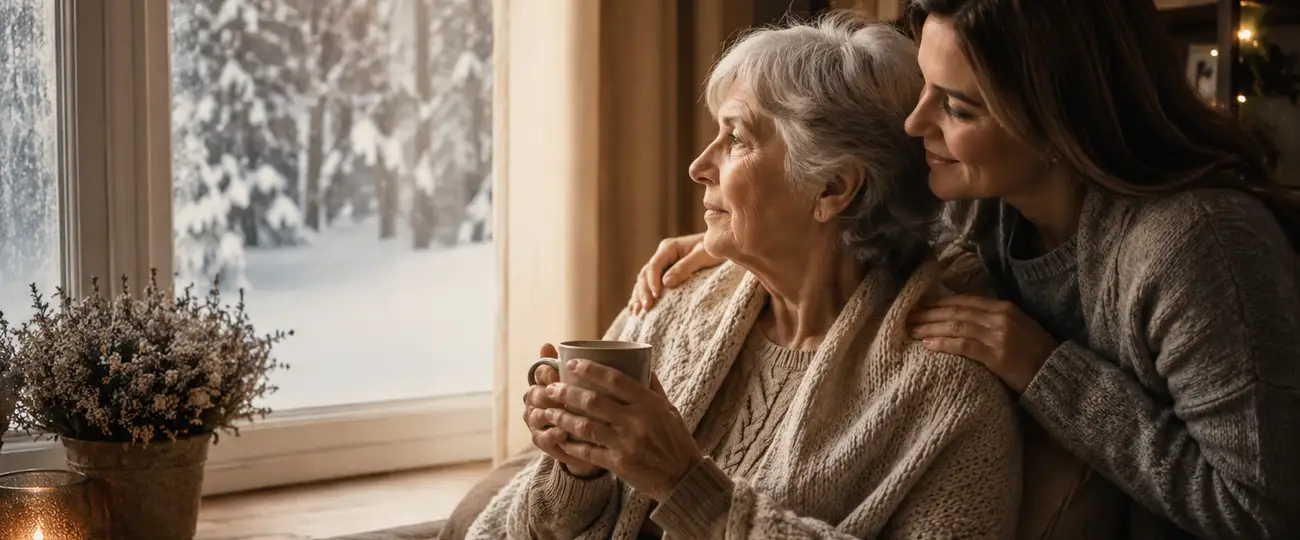
Natural remedies can play a supportive role in managing dementia symptoms during winter. Some effective approaches include:
- Music Therapy: Listening to music can evoke positive memories and improve mood, providing emotional support.
- Physical Activity: Gentle exercises, such as stretching or chair yoga, can enhance physical health and cognitive function.
- Creative Arts Projects: Engaging in arts and crafts can stimulate creativity and provide a sense of accomplishment.
Incorporating these natural remedies can enhance the quality of life for seniors with dementia during the winter months.
Which Natural Therapies Help Manage Winter Dementia Challenges?
Several natural therapies can help manage the challenges of dementia during winter. These include:
- Music Therapy: Utilizing music to stimulate memory and calm emotional responses.
- Physical Activity: Encouraging movement through simple exercises to maintain physical and cognitive health.
- Creative Arts: Engaging in art projects to foster creativity and provide mental stimulation.
These therapies can be beneficial in addressing the unique challenges faced by seniors with dementia during the colder months.
How to Integrate Nutrition and Hydration for Cold Months?
Nutrition and hydration are critical for seniors, especially during the cold months. Here are some strategies to ensure proper intake:
- Balanced Meals: Focus on providing nutritious meals that include a variety of food groups to support overall health.
- Hydration Tips: Encourage seniors to drink warm fluids, such as herbal teas or soups, to stay hydrated and warm.
- Nutritional Support for Dementia: Incorporate foods rich in omega-3 fatty acids and antioxidants to support brain health.
By prioritizing nutrition and hydration, caregivers can help seniors maintain their health during winter.
What Caregiver Support Strategies Are Effective in Winter?
Caregiver support is essential for maintaining the well-being of both caregivers and seniors during winter. Effective strategies include:
- Avoid Overscheduling: Allow for flexibility in activities to prevent caregiver burnout and ensure quality time with seniors.
- Embrace Familiarity: Stick to familiar routines and activities that seniors enjoy to promote comfort and engagement.
- Host Social Events at Home: Organize small gatherings to encourage social interaction without the need to go out in the cold.
These strategies can help caregivers manage their responsibilities while ensuring that seniors remain engaged and supported.
How Can Caregivers Maintain Their Wellbeing During Cold Seasons?
Caregivers must prioritize their well-being during the cold seasons to provide the best support for seniors. Here are some key practices:
- Prioritize Self-Care: Engage in activities that promote relaxation and mental health, such as exercise or hobbies.
- Focus on the Present: Avoid overwhelming schedules and focus on enjoying the moment with seniors.
- Engage in Enjoyable Activities: Participate in activities that bring joy to both caregivers and seniors, fostering a positive environment.
By maintaining their well-being, caregivers can better support the seniors in their care.
What Resources Assist Caregivers in Winter Dementia Care?
Several resources can assist caregivers in providing effective winter dementia care. These include:
- Practical Tips and Support Services: Access to local support groups and resources can provide valuable assistance.
- Workshops and Community Connections: Participating in workshops can enhance caregivers' skills and knowledge, such as the StillMe community workshops https://www.stillme.ca/connect
- Online Resources for Caregivers: Utilizing online platforms for information and support can help caregivers stay informed and connected.
Conclusion
Natural remedies, balanced nutrition, and robust caregiver strategies offer comprehensive support for managing dementia symptoms during winter. Implementing these approaches can significantly enhance the well-being and quality of life for seniors, mitigating the unique challenges of colder months. Prioritizing self-care for caregivers and fostering engaging, familiar routines creates a positive and supportive environment for everyone involved. Explore these valuable resources and strategies to ensure a comfortable and enriching winter experience for those living with dementia.