
How to Include Someone With Dementia: Effective Dementia Care Strategies for Family and Caregivers
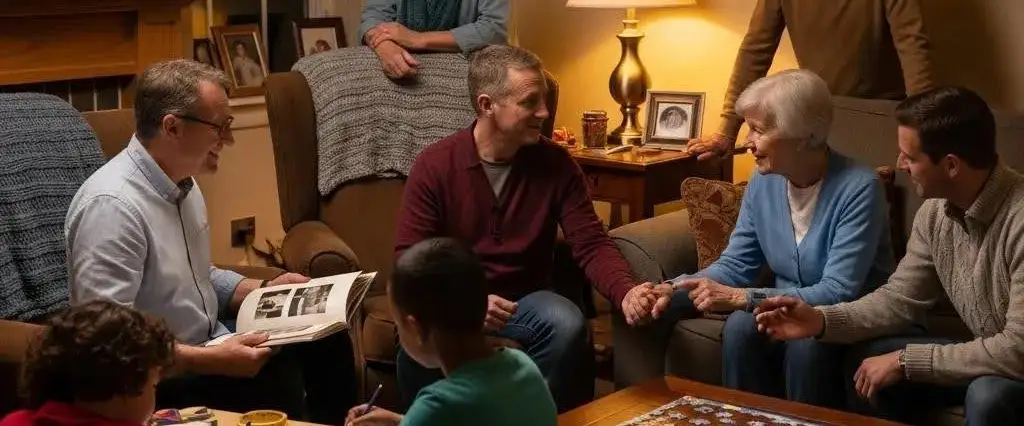
What Are Key Communication Techniques for People Living With Dementia?
Effective communication is essential when interacting with individuals who have dementia. It involves understanding their unique needs and adapting communication styles accordingly. Clear communication helps reduce confusion and frustration, fostering a more positive interaction. Techniques such as using simple language, maintaining eye contact, and employing non-verbal cues can significantly enhance understanding. Empathy plays a crucial role in these interactions, allowing caregivers to connect with them on a deeper level.
How Can You Communicate Effectively With Someone Who Has Dementia?
To communicate effectively with someone who has dementia, caregivers should focus on using simple, clear language. This approach minimizes confusion and helps the individual understand the message. Additionally, maintaining eye contact and using a calm tone can create a more reassuring environment. Non-verbal cues, such as gestures and facial expressions, also play a vital role in conveying messages. These techniques not only facilitate better understanding but also help build trust and rapport.
Further research emphasizes the profound impact of effective communication on the well-being and connectedness of individuals living with dementia.
What Are Empathy-Based Communication Strategies for Inclusion?
Empathy-based communication strategies emphasize the importance of understanding and validating the feelings of individuals with dementia. Active listening is a key component, allowing caregivers to fully engage with the person and acknowledge their emotions. Validation of feelings, even if the caregiver does not fully understand the context, can significantly enhance the individual's sense of worth and inclusion. By fostering an empathetic communication style, caregivers can create a supportive atmosphere that encourages open dialogue.
Conclusion
Inclusion for someone living with dementia isn’t about doing everything perfectly—it’s about showing up with patience, intention, and respect. Through clear communication, empathy-driven interactions, and thoughtfully chosen activities, caregivers and family members can create moments of connection that truly matter. Small adjustments—like simplifying language, maintaining eye contact, or validating emotions—can make a meaningful difference in how included and valued a person feels.
Equally important is recognizing that inclusion extends beyond conversation. Creating supportive environments and encouraging social participation helps individuals with dementia maintain a sense of identity, dignity, and belonging. While the journey can come with challenges, these strategies offer a way to replace frustration with understanding and isolation with connection.
Ultimately, inclusion is not about focusing on what cognitive challenges someone has, but about continuing to engage with who they still are and focusing on the strengths that remain. By leading with empathy and adaptability, caregivers and families can foster deeper relationships and improve quality of life—not just for the person with dementia, but for everyone involved.