
What to Say and What Not to Say to Someone with Dementia: Effective Communication Tips for Caregivers
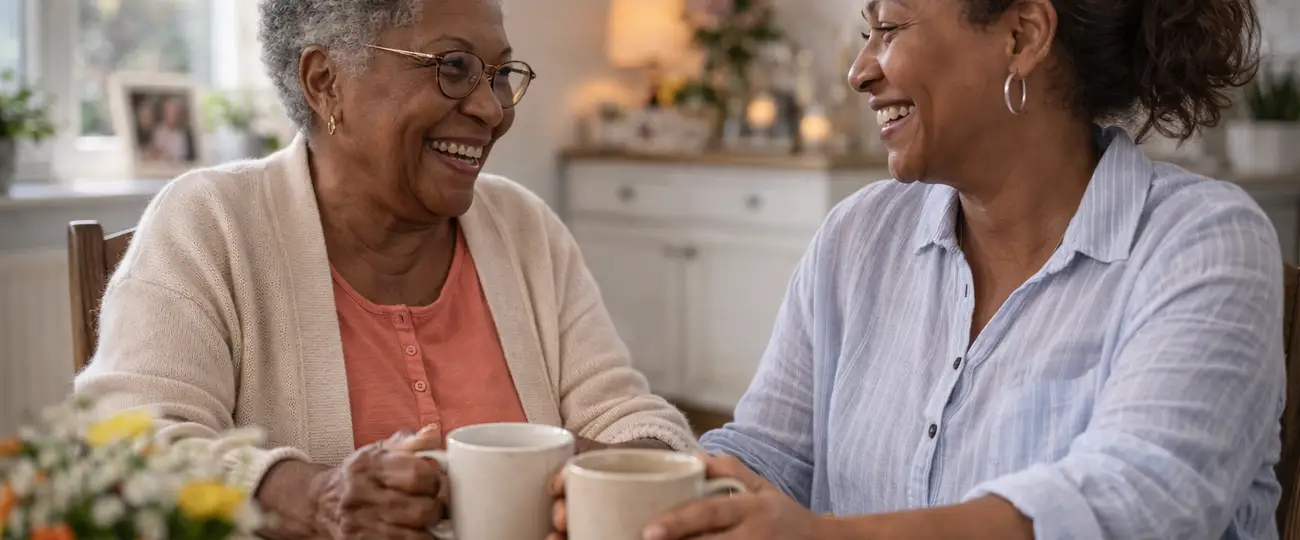
Communicating with someone who has dementia can be challenging at times, and yet it is crucial for maintaining the person’s dignity and emotional well-being. Understanding the nuances of dementia can significantly enhance communication, allowing caregivers to connect more effectively with their loved ones. This article will explore suggestions of what to say (and what not to say) to someone with dementia, providing practical tips for caregivers. By focusing on empathy and validation, caregivers can foster a supportive environment that minimizes confusion and agitation.
How Can Understanding Dementia Improve Communication?
Understanding dementia is essential for effective communication, as it helps caregivers navigate the complexities of the symptoms. Dementia affects cognitive functions, leading to challenges with memory, language comprehension, and even emotional regulation. By recognizing these challenges, caregivers can adapt their communication strategies to better meet the needs of the person. This understanding not only improves interactions but also fosters a sense of connection and trust.
What Are the Common Communication Challenges with Those Living With Dementia?
Caregivers often face several communication challenges when interacting with those with dementia. Memory loss can lead to difficulties in recalling names, events, or even the context of conversations. Additionally, individuals may struggle to understand language, making it hard for them to follow discussions. Emotional responses can also vary widely, with some individuals displaying frustration or confusion, which can complicate communication further. Recognizing these challenges is the first step in developing effective communication strategies.
How Does Dementia Affect Emotional and Behavioral Responses?
Dementia can lead to unpredictable emotional and behavioral responses, complicating interactions. Individuals may experience mood swings, anxiety, or agitation, which can hinder effective communication. Understanding these emotional fluctuations is crucial for caregivers, as it allows them to respond with empathy and patience. By acknowledging the emotional state of the person with dementia, caregivers can create a more supportive environment that encourages open communication.
What Should You Say to Someone with Dementia to Show Empathy and Validation?
Showing empathy and validation is vital when communicating with someone who has dementia. Caregivers can use specific phrases that acknowledge the individual's feelings and experiences, fostering a sense of connection. This approach not only helps in building trust but also calms the individual, helping to make interactions more positive.
Which Phrases Help Build Connection and Calmness?
Effective phrases that promote connection and calmness include:
- "I understand this is difficult for you." This statement validates their feelings and shows empathy.
- "It's okay to feel upset." Acknowledging their emotions can help them feel understood.
- "I'm here for you." This reassures them of your support and presence.
Using such phrases can significantly enhance the quality of interactions, making the individual feel valued and respected.
How Can Caregivers Use Positive Communication Techniques?
Positive communication techniques are essential for fostering a supportive environment. Caregivers should focus on using a gentle tone, maintaining eye contact, and practicing active listening. These techniques help convey warmth and understanding, making it easier for individuals with dementia to engage in conversation. Additionally, caregivers can use simple language and short sentences to avoid overwhelming the person, ensuring that communication remains clear and effective.
What Phrases and Topics Should Be Avoided to Prevent Confusion and Agitation?
Certain phrases and topics can trigger confusion and agitation in individuals with dementia. Caregivers should be mindful of their language and the subjects they discuss to create a more comfortable environment. Individuality prevails, and each person may have specific topics of conversation that are uncomfortable for them or produce emotional responses.
Which Words or Questions Trigger Negative Reactions?
Words or questions that may provoke negative reactions might include:
- "Do you remember...?" This can lead to frustration if the individual cannot recall the information.
- "Why did you do that?" Such questions can be perceived as accusatory.
- "You should know this." This statement can make the individual feel inadequate or embarrassed.
Avoiding these phrases can help reduce anxiety and promote a more positive interaction.
How Can Avoiding Certain Phrases Reduce Patient Distress?
By steering clear of triggering phrases, caregivers can significantly reduce distress in individuals with dementia. Language has a profound impact on emotional states, and using supportive, non-confrontational language can foster a sense of safety and comfort. For instance, instead of asking why they forgot something, caregivers can redirect the conversation to a more neutral topic, helping to alleviate any potential frustration.
How Can Nonverbal Communication Enhance Interaction?
Nonverbal communication plays a crucial role in interactions with individuals who have dementia. It encompasses facial expressions, gestures, and body language, all of which can convey messages even when words fail.
What Are Effective Nonverbal Cues and Gestures?
Effective nonverbal cues include:
- Smiling: A warm smile can create a welcoming atmosphere and encourage engagement.
- Nodding: This gesture shows understanding and encourages the individual to continue speaking.
- Gentle touch: A reassuring touch can provide comfort and connection, enhancing the emotional bond.
These nonverbal cues can significantly improve communication, making it easier for individuals with dementia to feel understood and supported.
How Does Body Language Influence Emotional Well-being?
Body language has a profound influence on emotional well-being. Positive body language, such as open posture and eye contact, can foster trust and comfort. Conversely, closed or defensive body language may create barriers to communication. Caregivers should be aware of their own body language and strive to maintain an open and inviting demeanor, which can help individuals with dementia feel more at ease during interactions.
Conclusion
Effective communication with someone who is living with dementia is less about perfect words and more about empathy, patience, and connection. By understanding the unique challenges dementia brings—memory loss, language difficulties, and fluctuating emotions—caregivers can tailor their interactions to support dignity, calmness, and inclusion. Using validation, supportive phrases, and positive nonverbal cues helps build trust and fosters meaningful engagement, while avoiding confrontational or confusing language reduces frustration and distress.
Ultimately, the key is to meet the person where they are, both emotionally and cognitively. When caregivers focus on listening, reassuring, and connecting—rather than testing memory or correcting mistakes—they create a safe and compassionate environment. These communication strategies not only improve daily interactions but also strengthen relationships, enhance emotional well-being, and affirm the personhood of those living with dementia.