
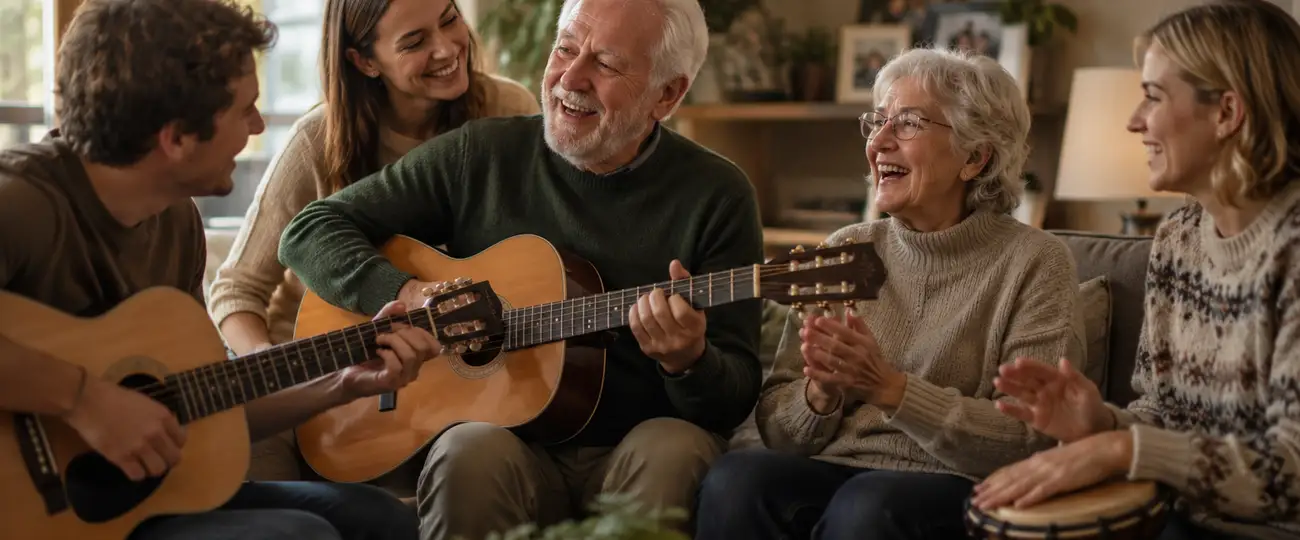
Engaging seniors with dementia in meaningful activities can significantly improve their quality of life. Effective activities include:
- Reading Together: Sharing books or stories can stimulate cognitive function and promote bonding.
- Music Therapy: Listening to or participating in music activities can evoke memories and enhance mood.
- Gentle Movement: Encouraging light physical activity, such as walking or stretching, can improve physical health and well-being.
These activities not only provide enjoyment but also support cognitive and emotional health.
How Can Caregivers Utilize Community Resources and Support Programs?
Caregivers can benefit from utilizing community resources and support programs designed for individuals with dementia. Key resources include:
- Joining Support Groups: Connecting with other caregivers can provide emotional support and practical advice.
- Participating in Workshops: Educational workshops can enhance caregivers' skills and knowledge about dementia care.
- Connecting with Local Resources: Engaging with local organizations can provide access to additional support services and activities.
These resources empower caregivers to provide better support for individuals with dementia.
Why Are Sensory-Friendly Adaptations Important in Restaurants and Public Spaces?
Sensory-friendly adaptations are crucial in creating environments that cater to the needs of individuals with dementia. These adaptations help to:
- Reduce Stress: Calming environments can alleviate anxiety and promote relaxation for individuals with cognitive impairments.
- Enhance Comfort: Sensory-friendly features, such as soft textures and low lighting, create a more inviting atmosphere.
- Promote Engagement: Environments that consider sensory needs encourage individuals to participate in activities and social interactions.
By prioritizing "sensory-friendly adaptations", restaurants and public spaces can significantly improve the experiences of individuals with dementia.
How Do Sensory Adaptations Reduce Stress for People with Dementia?
Sensory adaptations play a vital role in reducing stress for individuals with dementia. These adaptations work by:
- Creating Calm Environments: Soft lighting and quiet spaces help to minimize overstimulation and promote relaxation.
- Providing Familiar Stimuli: Incorporating familiar sounds and visuals can evoke positive memories and reduce anxiety.
- Supporting Interactions: Environments designed for sensory comfort encourage positive social interactions and engagement.
These adaptations are essential for fostering a supportive atmosphere for individuals with dementia.
What Are Common Sensory-Friendly Features to Implement?
Implementing sensory-friendly features in restaurants and public spaces can greatly enhance the experience for individuals with dementia. Common features include:
- Low Lighting: Soft, adjustable lighting can create a calming atmosphere and reduce glare.
- Soft Textures: Incorporating comfortable seating and tactile elements can enhance sensory comfort.
- Quiet Areas: Designating quiet spaces for relaxation can provide individuals with a retreat from overstimulation.
These features contribute to creating an inclusive environment that is not only welcoming but also supportive of the needs of individuals with dementia.
Further research highlights how various industries are integrating sensory-friendly features to enhance the user experience for individuals with dementia across different environments.
Sensory-Friendly Features for Dementia Support
Conclusion
Implementing sensory-friendly adaptations significantly enhances the quality of life for individuals with dementia by reducing stress and promoting engagement. These thoughtful adjustments create calming, comfortable environments that foster positive interactions and well-being. Prioritizing such inclusive design in public spaces and care settings is essential for supporting cognitive and emotional health. By understanding and applying these principles, we can collectively create more supportive and welcoming experiences for everyone.