
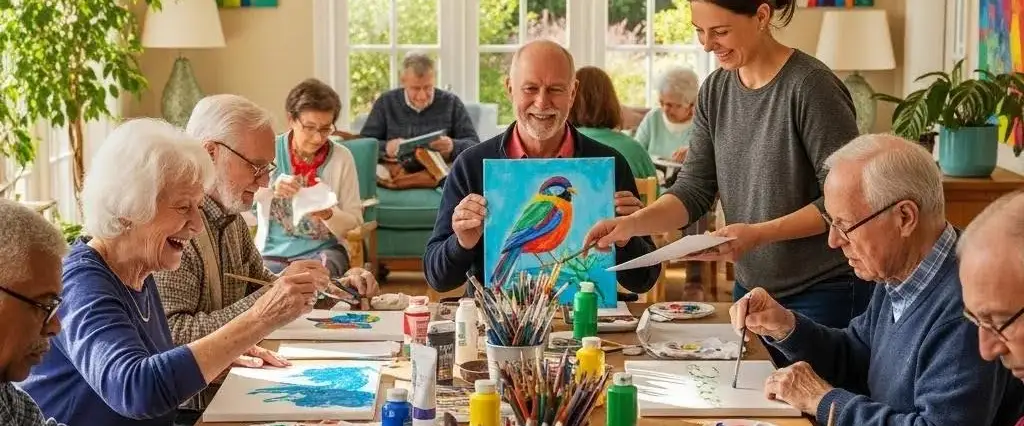
Engaging individuals with dementia in social activities is crucial for their emotional and cognitive well-being. Various recreational activities can stimulate cognitive function and promote social interaction. These activities not only provide enjoyment but also help maintain a sense of normalcy and connection with others. Caregivers should consider the interests and abilities of the individual when selecting activities to ensure meaningful participation.
What Recreational Activities Support Cognitive Stimulation and Wellbeing?
Some recreational activities that support cognitive stimulation include art and music therapy, games, and puzzles. These activities encourage creativity and critical thinking, which can help maintain cognitive function. For instance, art therapy allows people to express themselves non-verbally, while music can evoke a wide range of memories and emotions, fostering connection. Games and puzzles can also provide a fun way to engage the mind and promote social interaction.
Studies consistently highlight the benefits of structured recreational activities, including physical and cognitive exercises, in enhancing engagement for those with dementia.
How Do Social Events Encourage Inclusion and Emotional Support?
Social events play a vital role in providing emotional support and fostering inclusion for people living with dementia. Community gatherings, family celebrations, social get-togethers, and support groups can create opportunities for social interaction and connection. These events help people feel valued and included, reducing feelings of isolation. By encouraging participation in these events, caregivers can significantly enhance the emotional well-being of both the individual with dementia and their family members.
How Can Family Caregivers Be Supported to Enhance Inclusion?
Supporting family caregivers is essential for enhancing the inclusion of individuals with dementia. Caregivers often face emotional challenges and stress, which can impact their ability to provide effective care. Access to resources and support systems can help alleviate some of these burdens, allowing caregivers to focus on fostering inclusion for their loved ones.
What Emotional Support and Stress Management Techniques Help Caregivers?
Emotional support and stress management techniques are crucial for caregivers. Support groups provide a platform for sharing experiences and gaining insights from others in similar situations. Mindfulness practices, such as meditation and deep breathing exercises, can also help caregivers manage stress and maintain emotional balance. By prioritizing their own well-being, caregivers can better support their loved ones.
How Does Caregiver Wellbeing Impact Dementia Patient Inclusion?
The well-being of caregivers directly impacts the inclusion of those living with dementia. When caregivers experience high levels of stress or burnout, it can lead to decreased patience and understanding, creating challenges to provide the best care possible for the person. Conversely, caregivers who prioritize self-care and seek support are more likely to create a nurturing environment that fosters inclusion. Recognizing the importance of caregiver well-being is essential for promoting positive outcomes for both parties.
How to Create Dementia-Friendly Environments That Foster Inclusion?
Creating dementia-friendly environments is vital for enhancing the quality of life for individuals with dementia. These environments should prioritize safety, comfort, and accessibility, allowing individuals to navigate their surroundings with ease. Thoughtful design and adaptations can significantly improve the overall experience for both the individual and their caregivers.
What Environmental Adjustments Improve Safety and Comfort?
Environmental adjustments that improve safety and comfort include calm yet effective lighting, reducing clutter, and providing clear signage. Adequate lighting can help prevent falls and create a more inviting atmosphere. Reducing clutter minimizes confusion and anxiety, while clear signage helps with wayfinding. These adjustments contribute to a sense of security and independence for individuals with dementia.
How Can Home and Community Spaces Be Adapted for Dementia Inclusion?
Home and community spaces can be adapted for dementia inclusion through thoughtful design and resource availability. Community resources, such as dementia-friendly programs and activities, can enhance social engagement. Home modifications, such as installing grab bars and using contrasting colors for walls and floors, can improve safety and accessibility. By creating supportive environments, caregivers can facilitate greater inclusion and enhance the quality of life for individuals with dementia.
Conclusion
Promoting social inclusion for individuals with dementia comes down to creating opportunities for meaningful connection—through activities, environments, and caregiver support. Whether it’s engaging in music, art, games, or community events, these moments of interaction help preserve a sense of identity, spark joy, and reduce feelings of isolation. When activities are tailored to a person’s interests and abilities, they become more than just things to fill their days—they become powerful tools for connection and belonging.
At the same time, supporting caregivers and prioritizing their well-being is essential. When caregivers feel supported, they are better equipped to foster positive, patient, and inclusive interactions. Combined with thoughtful environmental adjustments that enhance safety and comfort, these efforts create a foundation where individuals with dementia can participate more fully in daily life.
Ultimately, inclusion is built through small, intentional choices—choosing to adapt, to engage, and to meet someone where they are. By doing so, families and caregivers can create a more compassionate, connected experience that improves quality of life for everyone involved.