
Winter Activities for Seniors: Safe and Engaging Things to Do in Colder Weather
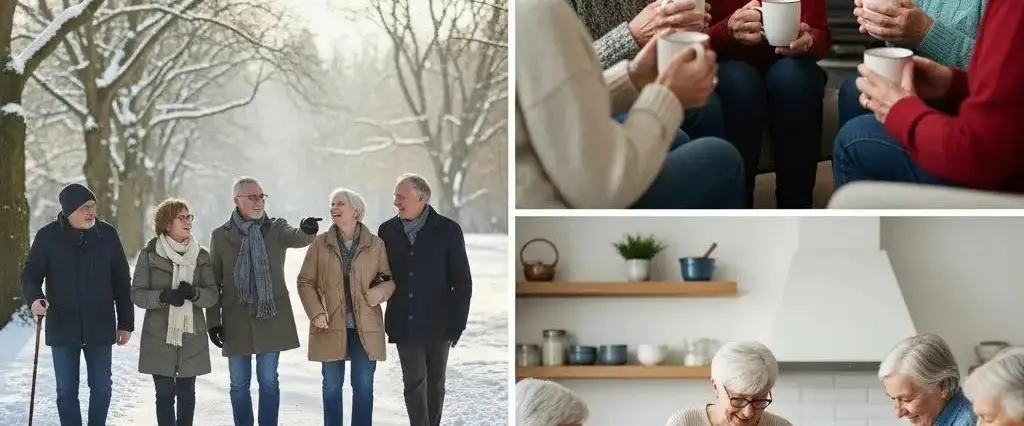
As the colder months approach, finding safe and engaging activities for seniors, especially those with dementia, becomes essential. Winter can pose unique challenges, but it also offers opportunities for cognitive engagement and social interaction. This article explores various dementia-friendly winter activities, indoor hobbies that stimulate mental health, and essential safety tips for caregivers. By understanding how to adapt activities for cold weather, caregivers can ensure that seniors remain active and engaged, promoting their overall well-being during the winter months.
What Are the Best Dementia-Friendly Winter Activities?
Dementia-friendly winter activities are designed to be safe and engaging for individuals with cognitive impairments. These activities not only provide enjoyment but also stimulate mental engagement and social interaction. Some of the best options include:
- Outdoor Walks: Short walks in a safe, well-lit area can provide fresh air and a change of scenery, which is beneficial for mental health.
- Cooking and Baking: Involving seniors in simple cooking or baking tasks can stimulate their senses and provide a sense of accomplishment.
- Games and Creative Arts: Activities like puzzles, board games, or arts and crafts can enhance cognitive function and provide a fun way to socialize.
These activities can help maintain cognitive function and improve mood, making them ideal for seniors during the winter months.
Which Indoor Hobbies Stimulate Mental Health for Seniors with Dementia?
Indoor hobbies play a crucial role in stimulating mental health for seniors with dementia. Engaging in these activities can help maintain cognitive abilities and provide a sense of purpose. Some effective indoor hobbies include:
- Reading and Music Therapy: Reading familiar books or listening to music can evoke memories and emotions, providing comfort and joy.
- Creative Arts and Games: Engaging in painting, drawing, or playing games can enhance creativity and cognitive skills.
- Cooking and Storytelling: Sharing stories while preparing meals can foster connections and stimulate conversation.
These hobbies not only keep seniors mentally active but also promote social interaction, which is vital for emotional well-being.
How Can Caregivers Adapt Activities for Cold Weather Safety?
Adapting activities for cold weather safety is essential for caregivers. Ensuring that seniors remain safe while engaging in enjoyable activities can be achieved through several strategies:
- Simplifying Activities: Choose activities that are easy to set up and require minimal physical exertion, such as indoor games or crafts.
- Incorporating Familiar Elements: Use familiar items or themes in activities to make them more comfortable and engaging for seniors.
- Planning for Comfort: Ensure that the indoor environment is warm and inviting, with comfortable seating and adequate lighting.
By implementing these strategies, caregivers can create a safe and enjoyable environment for seniors during the colder months.
What Are Essential Cold Weather Safety Tips for Seniors’ Care?
Cold weather poses specific risks for seniors, making it crucial to follow essential safety tips. These tips can help prevent accidents and ensure the well-being of older people:
- Dress in Layers: Wearing multiple layers helps retain body heat and allows for adjustments based on indoor and outdoor temperatures.
- Stay Hydrated: Seniors, like many of us, may forget to drink enough water in winter; encourage regular hydration to maintain health.
- Avoid Long Exposure to Cold: Limit time spent outdoors in cold weather to prevent hypothermia and frostbite.
Implementing these safety tips can significantly reduce the risks associated with cold weather for seniors.
How to Prepare a Safe Indoor Environment During Winter?
Creating a safe indoor environment is vital for seniors during winter. Here are some key considerations:
- Remove Hazards: Ensure that walkways are clear and that rugs are secured to prevent slipping or tripping.
- Ensure Proper Heating: Maintain a comfortable temperature indoors to prevent cold-related health issues.
- Create Comfortable Spaces: Designate areas for activities that are well-lit and equipped with comfortable seating.
A well-prepared indoor environment can enhance safety and comfort for seniors during the winter months.
What Precautions Prevent Cold-Related Risks for Seniors?
Preventing cold-related risks for seniors involves several precautions that caregivers should take:
- Monitor Health Conditions: Regularly check on seniors' health, especially those with chronic conditions that may be exacerbated by cold weather.
- Stay Active Indoors: Encourage light physical activity indoors to maintain mobility and circulation.
- Plan for Emergencies: Have a plan in place for emergencies, including access to warm clothing and emergency contacts.
These precautions can help mitigate the risks associated with cold weather for seniors.
Conclusion
Engaging seniors in safe and enjoyable winter activities is crucial for their mental and emotional well-being. By incorporating dementia-friendly options and ensuring a comfortable indoor environment, caregivers can foster cognitive engagement and social interaction. Implementing these strategies not only enhances quality of life but also promotes safety during the colder months. Discover more resources and tips to support seniors in your care today.