

Welcome Spring 2026
Emma’s story strikes me in the way she continues to honour her mother’s legacy, focusing on the ways she lived and loved the people closest to her. Seeing Emma in the wedding dress her mother made (above) is a celebration of the strengths and light she brought to the world (and still does through her family). I admire Emma’s tenacity and resilience, choosing to be a champion for this cause today. As we approach Mother’s Day, we recognize all the mothers who have been impacted by dementia. I also share my heartfelt appreciation to the dedicated volunteers who give so much. You exemplify the energy, passion and social change we strive to create across our wide-reaching community. Thank you for all you do.
Barb Ferguson, Executive Director
Finding Beauty in the Hardest Moments
A Young Daughter's Journey

Emma Demers was just 11 years old when her mother, Allison, was diagnosed with young-onset dementia at age 49. The diagnosis brought clarity to a confusing time - the missed turns to familiar places, the uncharacteristic anger - but it also marked the beginning of a journey that would transform Emma's understanding of love, caregiving, and resilience.
Allison was a seamstress and artist whose creativity touched everyone around her. She had made costumes for the Alberta Ballet and the National Ballet, and even created the opening ceremony costumes for the 1988 Winter Olympics in Calgary - where she met Emma's father.
That creative spirit defined Allison's life. Emma remembers childhood Halloween costumes that were the envy of the neighbourhood, sewn in a single day after picking out patterns together. "She was always wearing fun outfits," Emma recalls with a smile. "Now, her fashion inspires me."
When the diagnosis came, Allison told her three children she would do everything she could to fight. "I'll do the best I can," she promised. And she did - participating in every research study available and staying as active as possible.
As the disease progressed, Emma transitioned from daughter to caregiver. By age 14, she was helping her mother shower, cooking meals, and providing companionship. She would help untangle yarn while her mother knitted, and accompany her on the walks she loved.
"I didn't like walking then, but now I love it and it makes me feel closer to her," Emma shares. Her mother knitted squares that her aunt later transformed into a blanket - now one of Emma's most treasured possessions.
Emma's father was the family's anchor, coordinating home care and ensuring the kids could continue their extracurricular activities. When Allison moved into a care home in 2016, the family visited regularly and shared walks with her around her new neighbourhood as she pointed out the same things she loved each time. They participated in Alzheimer Calgary's Walk and Run each year, and Allison found joy in Club 36, where she created art that now hangs in Emma's home.
I had a choice
The journey wasn't without struggles. Emma admits that as a young teenager, she sometimes couldn't separate the disease from the person. "If I knew then what I know now, I'd go through it differently," she reflects. But she's learned to be gentle with her younger self: "I have to remind myself now that I was too young to have understood."
When Allison passed away at 61, Emma made a conscious choice. "I really feel like I had a choice to become a better person or a worse person because of it, and I chose better."
Today, Emma keeps her mother's memory alive in countless ways; through art portfolios with Allison's drawings and handwriting, a dress printed with her mother's favourite flowers, and daily walks with her husband. For her wedding, she wore a dress made by her mother - a truly special tribute. Watching friends and siblings parent their own children has given Emma a new perspective on the depth of her mother's love. "Seeing other people with their little ones makes me realize, 'Wow, my mom loved me that much,'" Emma shares.
"It was an honour to be able to take care of her," Emma says, reflecting on their reversed roles.
Emma's advice to other caregivers is powerful: "It's okay to tell yourself, 'This really sucks and it shouldn't be this way,' but it's helpful to get to a point where you can understand that you have a choice in how you view it." Acceptance doesn't mean giving up.
Allison's brain was donated to the University of Calgary for research - a final act of participation in the fight against dementia. "The absolute best scenario is if there is a cure as a result of her," Emma says. "That would be the most amazing."
For a full story of this mom and daughter, visit StillMe.ca.
Don't Miss This Event
Rethinking Dementia Care in Canada
A Better Way Forward
Navigating dementia care can be overwhelming. Even with dedicated professionals and services in place, the system is complex, and people living with dementia and their caregivers often find themselves working hard just to connect the dots.

There is a better way forward
Join us for a hope-building conversation with internationally recognized expert, Dr. Saskia Sivananthan, CEO of The Brainwell Institute and one of Canada's leading voices on dementia systems change. Drawing on the findings of the ‘Mind the Gap’ report, Dr. Sivananthan will move past the challenges and into the possibilities of building a more connected system.

You’ll want to attend if you are a person living with dementia, a caregiver or family member, a healthcare or community professional, or a leader who wants to help shape a better system.
You'll leave with:
- Real examples of what stronger care navigation looks like
- Practical ideas you can apply in your own community
- The language to advocate for change and the confidence that it's possible
This isn't just a conversation about gaps; it's about the real, achievable improvements we can build together.
Thank you to our sponsors

Register Now
Click here
More Upcoming Education Sessions
ABC Pro: April 30
Empowering professionals, communities, and businesses with tools to support people with dementia through stigma, behaviour, and communication strategies.
Care Partner Strategies: April 16 and May 14
Learn practical strategies to improve communication, understand behaviors, and feel more confident and capable.
See All Upcoming Education Sessions and Register
Click here
Park Project Update
Building Hope: Vision to Reality
Calgary's Dementia-Inclusive Park to Open This Year
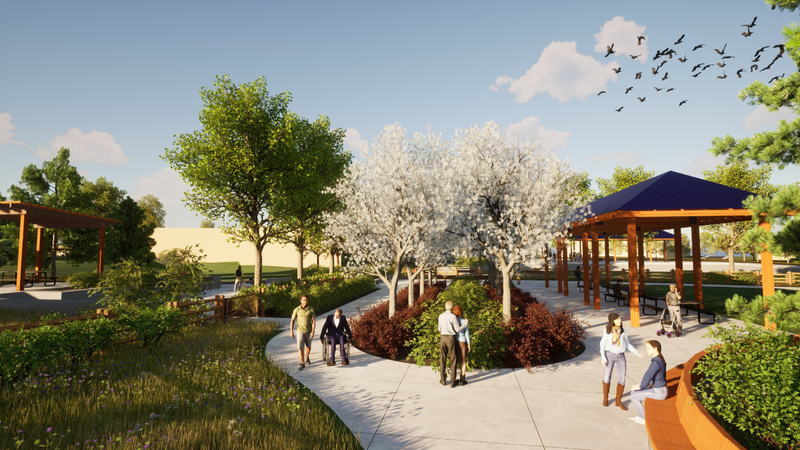
Rendering Source: Parks Foundation
What is possible?
For Parks Foundation Calgary, that question sparked when a former Alzheimer Calgary employee joined their team and began a conversation with the Foundation's CEO. Why isn't there a park designed for people living with dementia?
"That led to a trail of curiosity," recalls Lindsay Paul, Director of Philanthropy & Partnerships at Parks Foundation Calgary.
As Parks Foundation dug deeper, connecting with experts like Alzheimer Calgary, Dr. Dallas Seitz (formerly of the University of Calgary), and community leaders involved in Dementia Network Calgary (a collective impact initiative), they began uncovering an urgent need.
"We learned about the far-reaching impact of dementia; that an average of 12 additional people are impacted when an individual receives a diagnosis," Paul explains. "We began to understand the magnitude of opportunities to support more Calgarians. Our team was very excited to start exploring the possibilities."
A Mission That Aligned
"We believe that all parks should have equitable access," says Paul. "And there's a lot of stigma with dementia and Alzheimer's, so creating a space where everyone is welcome and can show up as they are fits our mission."
Serving equity-seeking groups through innovative, transformative projects is central to the work at Parks Foundation Calgary. This park would become a living embodiment of those values.
But what truly fueled the project was collective passion. "A lot of people wanted to drive it forward. We wouldn't have gotten here without families, people with lived experience, our partners, experts, and donors. They all wanted to be a part of it, which is incredibly inspiring," notes Paul.
Building Without a Blueprint
Creating Canada's first public dementia-inclusive park meant venturing into uncharted territory. Without a Canadian precedent to follow, Parks Foundation knew they needed to co-create the space with the community.
Design aspects were informed by conversations with people with lived experience, professional and familial caregivers, and researchers, facilitated by connections that emerged from Dementia Network Calgary. These insights became the pillars of the design.
Parks Foundation partnered with Ground Cubed, a landscape architectural firm committed to making the park truly dementia-inclusive. The result is a design that addresses real needs.
"The City of Calgary came alongside us to make this innovation a reality," says Paul. "They became key partners in moving it along, believing and investing in the project."
From Concept to Construction
The journey from idea to construction was marked by critical milestones, like community engagement sessions held to understand what was needed and balancing that with what was possible, and the deepening of the partnership with Alzheimer Calgary, who invested in the project and helped socialize the vision.
“The Martin Family's transformational gift was the tipping point of making it possible," Paul shares. "And it spawned other partnerships and donations." The park was named the Martin Family Legacy Garden in recognition of their generosity.
Once the fundraising threshold was met, the project moved into full design scope and navigated City approvals. The groundbreaking in May 2025 was a celebration of collective achievement. "Partners, donors, people with lived experience, subject area experts - all were there to celebrate," Paul recalls. "We've done this together."
Construction has been underway over the past year. This year will see installation of walkways, furnishings, and planting, with the park planned to open in fall 2026.

Inclusive, Always
"The goal was to be inclusive to people living with dementia, but not exclusive to others," Paul emphasizes. "We are working toward the cohesion of our society."
The over three-acre park features accessible entrances, handrails, visual wayfinding elements, a plaza for public gatherings, and wide walking loops.
Safety was a foundational consideration. A person living with dementia can remain safe and visible at all times. Natural containment through berms and shrubs, flat terrain, ample seating, and shade structures ensure comfort and accessibility for all visitors.
The multi-generational design means families can enjoy the space together. A playground next to conversational seating areas creates opportunities for authentic connections across ages and abilities.
Intentional design choices will have profound impact. Plants will provide sensory elements without overstimulating. Artistic elements will offer visual interest that spark conversations.
The Magic Ahead
When asked what she's most excited about, Paul speaks to possibility. "The magic of the park will be what takes place there; how people use it, synergies in the nearby communities, and what research will be possible because of it.”
Lessons That Ripple Outward
The project has already influenced how Parks Foundation approaches other spaces. "We want to create spaces where people can age as their needs change," Paul notes. "We'll be able to translate elements of this project to other parks."
The emphasis on community consultation and co-creation has been reinforced with this project, driving home the importance of how parks can impact people's lives.
And other communities are taking notice. While significant interest is expected once it opens, research groups and municipalities have already reached out to understand the model.
"Now that we've defined a vision of what's possible, we hope to create other inclusive spaces and hope other communities will do something similar," Paul shares.
A Personal Journey
For Paul, the project has been deeply educational and moving. "I didn't know a lot about Alzheimer's before this project. I didn't understand the potential impact on caregivers and family members and how pivotal a space like this could be to wellbeing."
She was truly inspired when she met Alan Rae, a caregiver, fervent supporter, and true community champion and heard how the park will change his experience and that of his wife, Joan. "He described how it would allow them to connect in a new way; that it would help them enjoy life more fully; that people will feel less alone knowing there is a bigger community with shared experiences," Paul recalls.
"It's been amazing to be a part of this project; a once-in-a-career opportunity," she reflects. "The stories we've heard about the transformational impact it will have on people's lives are so special. I'm grateful for the opportunity to make a change to the lives of Calgarians."
"The magic of the park will be what takes place there." - Lindsay Paul, Parks Foundation Calgary
Looking to the Future
For Parks Foundation Calgary, success will be measured in stories of how the park is changing the way people interact with loved ones, how it's impacting residents at nearby seniors' facilities, and how it's informing future care.
They envision lots of people spending days there with loved ones, and they hope to see other places modeling the park's approach.
What began as a simple question: what is possible? has become a powerful answer: a space where dignity, connection, and hope flourish for all Calgarians.
Celebrating Volunteers
As we celebrate National Volunteer Week (April 19-25) during Canada's International Volunteer Year, we're shining a spotlight on the everyday people whose talents and compassion make extraordinary differences in our community. International Volunteer Year is a once-in-a-generation opportunity to celebrate the power of civic participation and renew Canada's culture of volunteering, with the theme "Ignite Volunteerism: A year-long, nation-building celebration."
Sally Salonka's story embodies this spirit perfectly, showing how one person's skills and dedication can bring comfort and joy to dozens of lives touched by dementia.
Stitching Comfort
One Volunteer's Love of Sewing Brings Calm and Joy
Sally Salonka still remembers the first time she saw a fidget mat in action. Her uncle, who had Alzheimer's, would quietly work his fingers across the small quilt his daughter had made for him, touching buttons, running zippers up and down, feeling different textures. The mat seemed to calm him and give him something to focus on.
Her connection to dementia care runs even deeper, having volunteered with Carewest for 25 years, supporting residents with Alzheimer's. She saw firsthand how the right kind of engagement could bring moments of peace to difficult days.
So when a friend approached her in 2023 with an idea, knowing Sally's talent for sewing, she didn't hesitate. In the past three years, she's made 56 fidget mats.
Small Quilts, Big Impact
A fidget mat is an 18 x 24 inch quilt, perfectly sized to cover a tray table or lay across someone's lap. Sally designs each mat with 12 unique blocks, each featuring different fabrics and textures (corduroy, velvet, fleece) and different activities to engage restless hands.
"On each block I include an activity, like a button on a string, a key on a chain, snaps, a zipper," Sally explains. "It's designed to allow people to touch, feel, and fidget with features that are familiar to them."
Sally makes six mats at a time, working 3-4 hours a day, five days a week, for about three weeks. She plans each one carefully, designing some with features she believes men would be drawn to and others for women. For Sally, making fidget mats is an extension of what she already loves. "Sewing is a talent I have," she says. "I love sewing and being able to help people with Alzheimer's inspires me."
Quiet Moments of Calm
"I hope it gives them some quiet time to work away at it and that their family members see calmness and enjoyment in them," Sally reflects. Anyone who has watched a loved one struggle with dementia knows how precious those moments of calm can be, for both the person with dementia and their caregivers.

An Invitation to Others
Sally's story reminds us that supporting people with dementia doesn't require specialized training. Sometimes it requires noticing what you're already good at and asking how those skills might bring joy to someone.
"If you want to be involved, connect with Alzheimer Calgary and find out what kind of volunteers they need," Sally advises. "Or think about the things you enjoy doing or are good at, and how they might bring joy to someone's life."
For Sally, the reward is straightforward: "Knowing that my love of sewing can be so beneficial to others. I'm very happy that I can help."
56 fidget mats, each representing hours of careful work, each designed to bring moments of calm to someone navigating dementia. In Sally's skilled hands, scraps of fabric, old buttons, and spare zippers become tools of comfort; proof that small acts of creativity and care can make a profound difference.
Sally's story is an example of how volunteers ignite positive change in our community. This International Volunteer Year invites all Canadians to consider how their unique talents can contribute to building a stronger, more compassionate nation.
"I hope it gives them some quiet time to work away at it and that their family members see calmness and enjoyment in them."
- Sally Salonka
Do you have a skill to share?
We’re currently seeking Support Group Facilitators.
Explore how your talents could bring joy to people living with dementia and their families
Click here
From Volunteer to Researcher
Transforming Dementia Care Navigation
Rhea Bhalla volunteered at a care home supporting people with dementia when she was just 12. Six years later, she's still advocating for families, now as a member of Dr. Gwen McGhan and Dr. Deirdre McCaughey's University of Calgary research team, working to transform how we support people navigating dementia care.

Mapping the Maze
The research team’s work is grounded in what family caregivers experience in their daily lives. They have co-facilitated focus groups, synthesized what they heard, and mapped out what effective system navigation programs could look like. They discovered something both validating and sobering: families aren't just managing dementia, they're navigating complex, disconnected systems. "Caregivers are coordinating appointments, accessing services and referrals, navigating transitions to care facilities, and managing paperwork, across multiple systems that are fragmented," Rhea explains. "Substantial resources, programs, and support exist," she notes, "but if people aren't aware of them, or don't know how to connect with them, they're not helpful."
Two Critical Moments
Focus groups revealed two particularly vulnerable times in the dementia journey:
At diagnosis: "People are fearful, highly uncertain, and have no idea what resources exist," Rhea describes. "It can feel like they're being handed life-changing news and asked to become an expert overnight."
Transition to long-term care: "There's a misconception that when someone moves into care, the caregiver role shrinks, but families describe the opposite," Rhea explains. "The caregiver's role becomes an advocate, care coordinator, and manager of additional financial and administrative burdens, all while experiencing deep emotions about their loved one."
What Navigation Really Means
"System navigation isn't just about giving people information," Rhea emphasizes. "It's about helping families connect the dots of a confusing, disconnected system and prioritizing what's important, so caregivers can focus on the care and wellbeing of their loved ones, and reduced their own overwhelm.”
Designing Better Support
The research team has identified four critical components of a strong navigation program:
- Caregivers are included in creating solutions
- A single point of contact starting at diagnosis
- Spans multiple systems, from primary care to long-term care
- Allows caregivers to focus on caregiving rather than administration
Recently, Dr. McGhan and Dr. McCaughey attended a public session hosted by Dementia Network Calgary to share findings and hear from the community. These conversations ensure the research remains grounded in real lived experiences.
Looking Forward
Together with Alzheimer Calgary, the research team is now focusing on what helps and what gets in the way when families try to navigate the system after a dementia diagnosis. The goal is straightforward: determine how to better support people at this critical moment so they can find and access the community services they need. Through this partnership, the team hopes to create clear, evidence-based pathways that help families navigate our complex healthcare system and ensure more consistent, continuous care for everyone impacted by dementia.
For Rhea, who has applied to medical school, this research has shaped her understanding of what families need. From a pre-teen volunteer to a researcher transforming dementia care systems, Rhea's journey embodies the research team's core belief: the voices of those closest to dementia must guide the solutions we create.
Community Fundraisers
Paddlewars Pickleball
$80 Registration includes prizes & giveaways. Games played indoors on professional courts. All skill levels welcome. Age categories: 55-69 and 70+.
Learn More and Register
Click here
2nd Annual Queens and Jacks Square Dance Club Fundraiser
Raised nearly $500 for Alzheimer Calgary.
More about the Club
Click here
4th Annual Steve Rayner Golf 4 Memories Tournament
August 22, 2026 at Eagle Quest Douglasdale Golf
More Information
Click here
Dementia Network Calgary
Making it easier to find help when you need it
Here's what the Network is working on:
Improving System Navigation
We work directly with people living with dementia, family members, and caregivers to understand where people get stuck accessing support, and find ways to reduce those barriers. At our November community gathering, participants identified the lack of a clear roadmap as a key challenge and offered solutions that we're now carrying forward with leaders and community partners.
A New Hub for Resources and Events
So much is happening across Calgary's dementia community. The refreshed Network website brings it all together - local resources, events, volunteer opportunities, research participation, and more. Visit often, as it continues to grow.
Advancing Best Practices
Through the Still Me Leaders Forum, healthcare, business, and community leaders are sharing ideas that shape the future of dementia care. If you enjoyed Dr. Powers' presentation last spring, mark your calendar for June 17th with Dr. Saskia Sivananthan. You won't want to miss it. Register here.
Creating Inclusive Spaces
Canada's first dementia-inclusive park is getting closer to opening. It's a wonderful example of what's possible when the Network works together. Read the full story in this newsletter, and we hope to see you there later this year.
Coming Soon
A new community gathering is on the horizon and your voice is welcome. A new task force is also taking shape to help ensure families have equitable access to emerging treatments and support. Stay tuned.
The StillMe Movement is Growing. Don't Miss Out.
Be Part of it.
In 2025, the StillMe campaign reached over 1 million people on Meta (Facebook, Instagram, WhatsApp, Messenger and more) and almost 8 million views on local, regional and national media outlets.
Keep your eyes peeled for our new campaign coming in June, just in time for Seniors’ Week.
Don't miss it
Subscribe to get even more brain health tips, myth-busting, and hope - delivered to your inbox.
Visit StillMe.ca
Joy at Club 36
Where every day is better
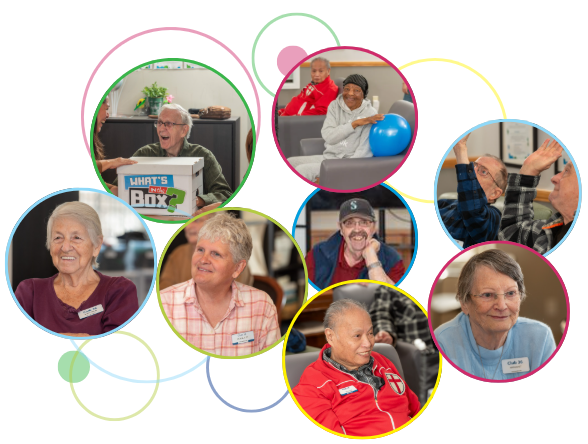
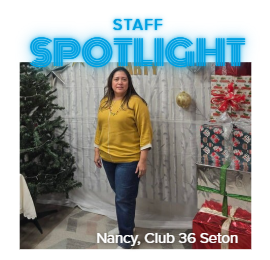
Staff Spotlight: Nancy, Club 36 Seton
The most fulfilling thing about my work is making our members smile and brightening their day, even just a little. I love the laughter we share and the moments spent together. They may not always remember my name, but they’ll remember how I made them feel when they came to the club, and that means the world to me.
One of my favorite memories at work is about a member who calls me “Fancy Nancy.” It always makes me smile and I truly look forward to seeing him. I have so many wonderful memories here: watching members dance, seeing them freely express themselves. One of the members often tells the ladies, “You are so beautiful.” I love watching the ladies light up with appreciation for his kind words. We also have a lovely member who loves helping out, and it’s heartwarming to see how happy and proud she feels knowing she has contributed.
More about me ... I speak 5 languages - Spanish, French, and English fluently, plus a bit of Italian and Portuguese. I volunteered for three years at Calgary Immigrant Services as an interpreter. I love baking and camping, and I have lived in West Africa and Switzerland, with visits to many other countries. Traveling and learning about different cultures bring me so much joy.
They may not always remember my name, but they’ll remember how I made them feel when they came to the club, and that means the world to me."
- Nancy, Club 36 Seton
More about Club 36
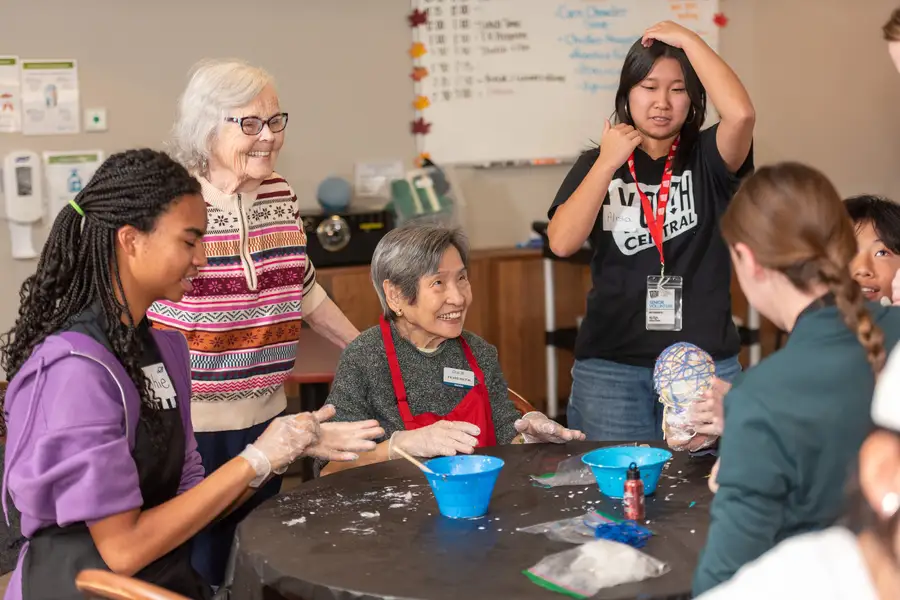
Welcome New Staff
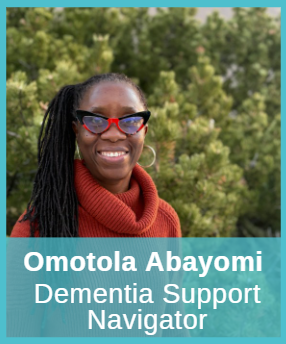
Omotola finds deep joy and fulfillment in supporting community members. She has done this in various capacities for nearly twenty years. As a registered social worker, she brings a compassionate, trauma-informed, and culturally safe approach to dementia care and caregiver support. Through her experience in community outreach, working alongside individuals and families, Omotola has seen how meaningful connection, attentive listening, and timely guidance can ease distress and help people feel more confident and supported during challenging circumstances.
She is guided by her belief that we should treat others the way we would want to be treated ourselves and holds close the understanding that while some journeys may be manageable alone, dementia is not one of them. By going together people with dementia can feel supported and live well.
Outside work, Omotola enjoys listening to music and connecting with people.
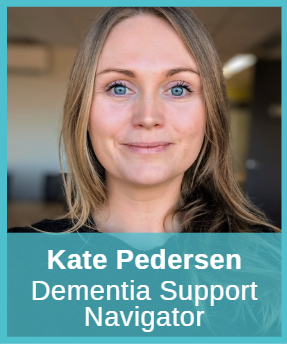
Kate is excited to be joining the team and brings experience working across the lifespan, supporting both children and older adults. She has worked with children with complex needs through in-home, play-based therapy and spent several years in memory care, supporting older adults living with dementia and Alzheimer’s with patience, compassion, and plenty of heart.
Kate is passionate about community engagement and values building meaningful connections with individuals, families, and the communities they’re part of. She is currently back in school completing her Bachelor of Social Work and will be graduating in spring 2026.
Outside of work and school, Kate enjoys camping, experimenting in the kitchen, reading, and spending quality time with her husband and two young children.

Cadence is a fourth-year practicum student completing her Bachelor of Community Rehabilitation and Disability Studies at the University of Calgary. She joined Alzheimer Calgary in Fall 2025, where she is gaining valuable insight into dementia support services and resources, particularly within rural communities.
Originally from a rural community, this work is especially meaningful to Cadence, as she has seen firsthand the impacts that limited access to services can have. Her projects at Alzheimer Calgary focus on understanding the challenges rural communities face when accessing dementia related care and support. She has developed a strong appreciation for the importance of professional collaboration, community engagement, and learning from lived experiences.
Cadence is also an Occupational Therapy Assistant with over four years of experience working in the disability field. She chose to continue her education driven by a strong passion for helping others and advocating for accessible, inclusive support systems.
In her personal time, Cadence enjoys reading and spending time outdoors.
ABC Pro: Building Professional Capacity and Confidence

When professional caregivers walk into an Alzheimer Calgary ABC Pro training session, many arrive feeling uncertain, even overwhelmed, about how to best support people living with dementia. By the time they leave, something fundamental has shifted.
"It fills us with hope to see professionals walking away more informed, person-centred, and inclusive in how they contribute to the wellbeing of people living with dementia," shares ABC Pro facilitator, Anmol Zehra. "When people see the person and not the diagnosis, they provide better care. That's what we focus on in ABC Pro."
The program also directly addresses the all-too-common stigma that accompanies dementia. "Stigma can be devastating and when people understand that individual experiences can be so different, we start to break down the stigma, both externally in society and internally within ourselves," Zehra explains. This understanding transforms how professionals view behavioural changes in people they work with and, instead of seeing "problem behaviours," they learn to ask: What unmet need is being expressed?
What is ABC Pro?
ABC Pro is an engaging and practical training program designed to build confidence, competence, and calmness in those who support individuals living with dementia. Through three core modules - Attitudes (A), Brain & Behaviour (B), and Communication (C) - participants explore the facts of dementia, stigma reduction, the impact of dementia on the brain, learn how to interpret and respond to behaviours, and gain hands-on tools for compassionate, trauma-informed, person-centred communication.
A Person-Centred Perspective
What makes ABC Pro distinctive is its emphasis on the social and relational aspects of dementia care. The program asks fundamental questions, like how do we live together? How do we make life better for people living with dementia and their loved ones? Participants discover practical tools focused on relationships, communication, and creating supportive environments; approaches that work hand-in-hand with medical support to make a real difference in daily life.
Tools for Immediate Impact
The comprehensive manual has proven invaluable, with participants reporting they learned extensively just from reading it. Participants particularly value practical communication strategies like the "Dare to Care" visual tool which many place visibly around their workspaces as a constant reminder of best practices. "They're excited about what they’ve learned because they can use it in practice immediately," shares Zehra.
A Vision of Joyful Living
At its core, ABC Pro is about creating dementia-aware communities where people living with dementia receive care that helps them maintain their dignity, remain connected, and continue to experience joy.
"It fills me with hope to see participants acknowledging that people living with dementia aren't different from any of us; that they can still experience joy," Zehra reflects. This focus on the person over the diagnosis extends to how we measure success. "Outcomes of interactions aren't important; it's about how it made them feel; did they feel included? Did they participate? Did they enjoy it? That's what's important; that's a win."
The additional Train the Trainer element of the ABC Pro program builds education, awareness, and capacity through a cascade model of training. It ensures organizations in Calgary and area can deliver the same high-quality, person-centred, trauma-informed care that defines Alzheimer Calgary's values.
"We are equipping people who are uncertain or overwhelmed to become more confident," Zehra shares. "We're creating more dementia-aware communities. Most importantly, we're helping people live with more joy. There is so much hope in the work that we do."
Next ABC Pro session: Thursday, April 30
This program is for you if your role involves working with people with dementia and you want to increase your knowledge, confidence, and effectiveness.
More Info and Register
Click here
In Memory
Generous donations have been made in memory of the following special people (December 2025 - February 2026):
Samuel Olusoji Abatan, Walter Bentley, Michael Allen Brydges, Robert Chomiak, Kenneth Colvin, Loren (Larry) Neil Curtis, Sherle Day, Elisa Di Francesco, Solomon Ezekiel, Edith Adelheid Furber, Julia Galan, Irene Bernice German, Edith Lenore Gordon, Thomas Richard Groves, Elaine Holmgren, V. Rosemarie Kelly, Albert (Smiley) Kinley, Rose Beryl (Ann) Lundberg, Ali Magda, Jean Meadley, Gladys Marie Nikiforuk, Erika Handel Pacey, Harold (Cy) Joseph Seufert, Patrick Lloyd Sherman, Janis Simpson, Daniel Lownie Thorburn, Keiko (Kay) Tsukishima, Mahmoud Vadieyan In Honour
Thank You to Our Partners
We are grateful
Together, we are building a stronger support network for families affected by dementia across our community

Donate Now
You can be part of the solution.
Our programs are only possible because of people like you - generous, committed individuals and organizations who share our vision of support for families with dementia.
Donate Now